
It’s not one snack that causes trouble; it’s how often teeth get hit throughout the day.
Snacks can sneak up on you. One day it was something small, and the next day snacks replaced half of the meals. This happens when appetite, chewing, and energy gets harder, or the day feels too long to cook.
You may feel intimidated by strict food plans. This guide will help you feel more confident in your snack choices. You can make easy swaps that will be easier on your teeth, without taking away moments of joy. Small changes add up with consistency.
If snack choices at home have turned into a daily tug-of-war, it may be time to consider in-home care for your loved one. With an additional caregiver, meal routines and grocery planning can become more efficient. This may promote a way to keep healthier options within reach.
Keeping track of preferences and trying to keep routines can become stressful fast. Snacking is simple until you are the one to buy groceries. The goal is not to control every bite, but to make the easiest option.
The “Snack Attack” Problem (And Why It Matters for Teeth)
The problem is rarely one snack. It is the pattern.
Frequent grazing keeps teeth exposed to sugar and starch more frequently. A single snack doesn’t seem that bad. But add dry mouth, dentures, or rushed brushing, and it becomes easy for irritation and cavities to show up. Instead of changing whole routines, simple swaps can help with damage reduction.
Snack Rules for Seniors That Protect Teeth
Rule 1: Fewer snack moments beats “better snacks” all day
The less contact our teeth have with unhealthy food, the less hits they take. Try to transition towards a couple of snack times per day instead of all-day nibbling.
If frequent snacking is non-negotiable, focus on increasing the quality of the food. A steady routine helps more than chasing the “perfect” option.
Rule 2: Water is the default drink between snacks
Water helps rinse the mouth. Drinking water frequently helps break the habit of sipping sweet drinks all day. If someone wants a flavored drink, try to keep sweet drinks to a minimum. Try to break up the habit with frequent water to help with rinsing the mouth to help teeth not get coated with food. This will also help keep the stomach full between meals.
Rule 3: Watch the sneaky snacks
Some snacks cling to teeth. Others come in tiny portions that turn into constant grazing.
Common trouble patterns:
- Sugary drinks or soda
- Sticky sweets
- Crunchy, salty snacks that get eaten all day
If soda is a habit your loved one can’t break, here is a quick breakdown that explains why soda is bad for the teeth. This article explains why soda causes trouble and what helps limit the damage.
After-Snack Reset (30 Seconds That Helps)
- Drink water.
- If brushing is not happening right away, rinse and move on.
- If dry mouth is an issue, sugar-free gum can help some people (if it’s safe for them).
Tooth-Friendly Snack Swaps
You do not need a long list of “approved snacks.” You need a few simple categories that guide better choices, and that won’t overwhelm.
Choose snacks that are less sticky
Sticky snacks hang around on teeth longer. That is what causes trouble, especially when brushing is inconsistent. If a snack is chewy, gooey, or leaves a film in the mouth, it is one to limit.
Pair sweets with something that slows the snack cycle
If a sweet snack is part of the day, try to pair it with something filling. Keep sweet snacking to a set time, so it does not turn into a repeated habit throughout the day.
Pick “easy chew” options when chewing is harder
When chewing feels hard or painful, people gravitate towards the easiest solution. This is often a sugary snack or a salty, crunchy snack. Keeping a few soft options available at home makes it so “easy” does not mean “hard on teeth.”
Snack Swaps for Dentures and Dry Mouth
Snack swaps do not work if they ignore what is going on day to day.
If dentures are involved
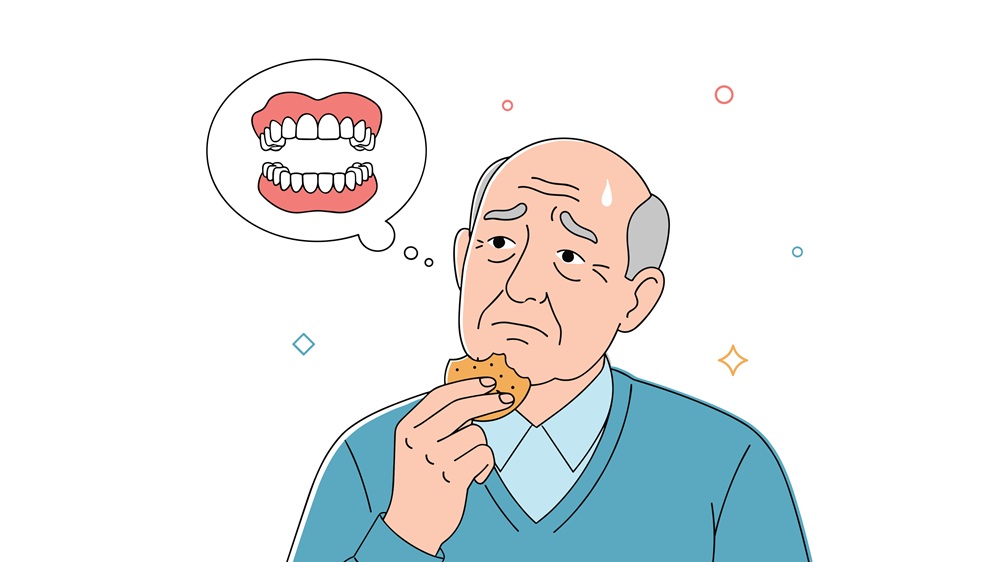
Sticky foods can pull and irritate. If your loved one avoids chewing because it hurts, treat that as a sign to call the dentist. Food choices do not fix denture pain.
If dry mouth is common
Dry mouth makes snacking harder on teeth and makes chewing less comfortable. Water nearby helps. Moist snacks usually feel better than salty, crunchy ones.
If meals feel like work
Sometimes snacking is not about appetite. It is about effort. A simple option can reduce constant grazing without forcing a full dinner routine.
The Routine Piece Everyone Forgets (Snacks Are Only Half the Story)
Snack swaps help, but they work best when brushing and rinsing stay consistent. A great snack plan cannot fix a routine that has fallen apart.
If oral hygiene has become inconsistent, here is a guide to provide a refresher on how to help.
Snack swaps fail for usually one reason: follow-through. Someone buys the right foods once, then the week gets busy and the kitchen goes back to whatever is quickest. Starting out with small changes to help build consistency will provide lasting habits.
When “Good Snacks” Still Do Not Stick (Support That Helps at Home)
The best intentions sometimes fall apart because the day is too full. The fix is not a new snack list; it’s fixing the routine to make it easier to repeat.
A few things that are helpful:
- Keep better options visible and easy to grab
- Pre-portion snacks when possible
- Keep water within reach
- Put “problem snacks” out of sight, not banned
Swapping out or reducing the frequency of snacks only helps if brushing stays consistent.
If your loved one needs help with keeping a routine steady, an in-home caregiver can help with adding practical support. Having support with meal prep, groceries, and daily hygiene can keep things steady, especially when you can’t always be there.
FAQ: Tooth-Friendly Snacks for Seniors
What are the best tooth-friendly snacks for seniors?
Pick snacks that are less sticky, not too sugary, and easy to eat. Protein-based snacks and softer options often work well, especially when chewing becomes harder.
Why does frequent snacking cause cavities?
The pattern matters as much as the snack. Starchy and sweet snacks are the worst contenders. They form a film and get stuck between teeth; this breaks down the enamel. Additional factors matter, such as frequency of water intake and brushing patterns.
Is it better to snack less often or choose healthier snacks?
Less often usually wins. Fewer snack moments mean fewer hits to teeth. If frequent snacking is needed, keep the routine consistent and avoid sweet drinks between snacks.
What are good soft snacks for seniors with chewing problems?
Choose softer options that do not require a lot of chewing and do not cling to teeth. Yogurt, eggs, and softer fruit are common go-tos.
What should seniors drink between snacks to protect their teeth?
Water is the best default. It helps rinse the mouth and reduces the damage from frequent snacking.
How can I make healthier snacking easier at home?
Keep better options visible, limit grazing, and keep water easy to reach. If routines keep slipping, add support with shopping and prep so the plan stays repeatable.
Key Takeaways
Snack swaps work best when they are simple enough to repeat. Focus on fewer snack moments, water between snacks, and choices that do not cling to teeth all day. Keep the kitchen set up so the better option is also the easiest option. The goal is not perfect eating; it is a routine that holds up on a normal week.