
Dental veneers can be a great cosmetic solution, but there’s a lot about them people won’t tell you. They involve real, lasting changes to your natural teeth. Of course, they’ll defintiely improve cosmetic appearance, but patients should be aware of what happens under the surface, especially if you’re looking for dental veneers in Livingston, NJ.
It’s not a small undertaking, which is why you need to understand how veneers interact with your natural teeth. They don’t replace teeth. They bond to existing teeth. Thus, they health of the underlying tooth still matters.
Quick Answer: What Really Happens to Your Teeth Under Veneers
Below are direct answers to the most common questions patients ask when researching veneers. These apply to porcelain laminate veneers, composite veneers, and similar cosmetic treatments.
Do teeth rot under veneers?
Teeth under veneers can still develop cavities. Veneers only cover the front surface of the tooth and do not prevent decay, especially near the edges.
Are teeth still alive under veneers?
Yes. The tooth nerves remain alive, and the tooth is still biologically active. Veneers do not remove or replace the natural tooth.
Do veneers protect teeth from damage?
No. Veneers do not protect against gum disease, grinding, or decay. Proper oral hygiene and veneer aftercare tips are still essential. Patients who worry about discomfort often ask whether veneers are painful to get, but pain risk is separate from long-term tooth health.
Are veneers permanent?
Veneers are considered permanent because enamel is usually reduced during placement. Once enamel is removed, the tooth cannot return to its original, untreated state.
Can veneers be removed and replaced with natural teeth?
In most cases, no. Once they’re placed, the teeth underneath usually need ongoing coverage, whether with new veneers, crowns, or other restorations.
How Dental Veneers Work on Natural Teeth
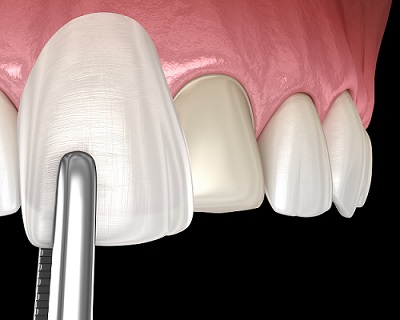
Veneers are thin shells, usually made from porcelain or ceramic, that attach to the front of the tooth. Porcelain laminate veneers are known for durability and stain resistance. Composite veneers are often placed directly and may need more maintenance.
Though there are differences in materials, every veneer bonds to tooth enamel. It doesn’t replace the tooth. That’s what sets them apart from most other dental bonding alternatives. Most don’t involve removing enamel.
What Veneers Cover and What They Leave Exposed
A veneer only covers the visible front surface of a tooth. It does not wrap around the sides or protect the back of the tooth. The gumline, margins, and exposed enamel are still vulnerable to bacteria.
This applies to both porcelain laminate veneers and composite veneers. Long-term dental research finds that decay and gum disease can still develop under sub-par oral hygiene, which is why understanding the risks of cosmetic dentistry matters before moving forward.
This distinction is important for patients weighing cosmetic expectations against functional outcomes, especially when learning more about what problems veneers are actually designed to fix.
How Veneers Permanently Change Tooth Enamel
Most veneer procedures involve removing a thin layer of enamel. This allows the veneer to sit flush and look natural. It also strengthens the bond, particularly for porcelain veneers.
But that enamel doesn’t come back. The removal is permanent. Even the most conservative veneer preparations still require the tooth to be covered from then on.
How Much Enamel Is Removed for Veneers
The amount of enamel removed depends on alignment, tooth shape, and discoloration. Heavily stained or rotated teeth often need more preparation. Teeth with ideal positioning may need less.
Clinical studies on veneer longevity show that preserving as much enamel as possible improves long-term success. This is one reason why veneer planning differs from dental bonding alternatives, which may not need to remove enamel.
Can Teeth Still Get Cavities Under Veneers?
Yes. Teeth under veneers can still develop cavities, especially near the margins. Veneers do not seal the tooth completely, and bacteria can still reach vulnerable areas.
Most veneer-related decay develops slowly. Research shows that complications tend to appear years after placement rather than immediately. That’s why routine exams and veneer aftercare tips matter.
How Veneers Affect Gum Health Over Time
Veneers can’t prevent gum disease. The gums respond to plaque around veneers the same way they do around untreated teeth. Inflammation can affect both gum health and veneer margins.
Gum recession may expose veneer edges over time. This can affect appearance and increase sensitivity, particularly with porcelain laminate veneers.
What Happens When a Veneer Chips, Breaks, or Falls Off
Veneers can chip, fracture, or debond due to wear, trauma, or bite forces. When this happens, it exposes the tooth underneath to sensitivity.
Long-term data shows that veneer failures are more likely to occur after years of use. They usually need to be replaced, whether with another veneer or a different restoration.
What Happens to the Tooth When a Veneer Is Removed or Lost
If a veneer comes off, the exposed tooth may be rough, sensitive, or more prone to decay. Leaving a prepared tooth uncovered isn’t a great idea.
Dental studies consistently show that once a tooth is prepared for veneers, it usually needs ongoing coverage rather than returning to a natural, untreated state.
Can You Ever Go Back to Natural Teeth After Veneers?
In most cases, no. Veneers are considered irreversible because they involve removing enamel. That enamel can’t be replaced, it doesn’t grow back.
Even if veneers are removed, the tooth usually requires another restoration. Returning to untreated natural teeth is uncommon, which is why it’s important to understand what you need to know before getting dental veneers.
What Your Teeth Need If Veneers Are Removed
Replacement options depend on tooth condition. Many patients receive new veneers. Others may need crowns if the tooth ends up weakened.
Composite bonding can work in limited cases. But it’s not the same durable, long-term solution that crowns or veneers provide.
How Long Teeth Stay Healthy Under Veneers
With proper care, veneers can last many years. Clinical trials tracking ceramic laminate veneers show strong survival rates beyond 10 years.
Tooth health underneath depends on hygiene, bite forces, and routine monitoring. Veneer aftercare tips such as night guards for grinding can help stave off complications.
Factors That Affect Long-Term Tooth Health After Veneers
Oral hygiene habits play a major role. Smoking, teeth grinding, and skipped dental visits increase risk. The material the veneers are made from also matters.
According to long-term studies, patients who follow consistent aftercare experience fewer complications, regardless of whether they have porcelain or composite veneers.
When Veneers Are Used for Medical or Developmental Conditions
Veneers are sometimes used to manage enamel defects or congenital conditions, not just cosmetic concerns. In these cases, veneers may restore both function and appearance.
According to the National Institute of Dental and Craniofacial Research, teeth affected by developmental conditions may need closer long-term monitoring after veneers are placed.
When Teeth Are More Vulnerable Beneath Veneers
Teeth with thin enamel or structural defects may carry higher risks. These cases need careful planning and long-term follow-up.
Veneers may still be appropriate, but they shouldn’t be the only treatment. They’re not a one-time fix; there needs to be more to it than that.
Dental Veneers vs Crowns: How Each Affects the Tooth Underneath
| Feature | Veneers | Crowns |
| Tooth coverage | Front surface only | Entire tooth |
| Enamel removal | Minimal to moderate | Significant |
| Reversibility | Not reversible | Not reversible |
| Decay risk | Still present | Still present |
Both treatments permanently change the tooth. Veneers preserve more natural structure, while crowns offer full coverage.
What Livingston NJ Patients Should Know Before Getting Dental Veneers
Veneers need lifelong consideration. Teeth under veneers remain biologically active and susceptible to disease. Long-term success depends on planning, placement, and aftercare.
When researching dental veneers in Livingston NJ, focusing on maintenance and realistic expectations is just as important as anything else in cosmetic dentistry.
Key Takeaways: What Happens Beneath Dental Veneers
- Veneers bond to natural teeth and do not replace them
- Enamel is permanently reduced in most cases
- Teeth under veneers can still get cavities and gum disease
- Veneers are generally not reversible
- Long-term success depends on hygiene and proper aftercare
Why Understanding the Tooth Under a Veneer Matters Long Term
Veneers can be highly effective when patients understand their implications. Knowing what happens beneath veneers helps support informed decisions and realistic expectations.
If you are exploring dental veneers in Livingston NJ, understanding the health of the tooth under the veneer is just as important as how the veneer looks.
Resources
Alenezi A, Alsweed M, Alsidrani S, Chrcanovic BR. Long-Term Survival and Complication Rates of Porcelain Laminate Veneers in Clinical Studies: A Systematic Review. Journal of Clinical Medicine. 2021; 10(5):1074. https://doi.org/10.3390/jcm10051074
Alghazzawi TF. Clinical Survival Rate and Laboratory Failure of Dental Veneers: A Narrative Literature Review. Journal of Functional Biomaterials. 2024; 15(5):131. https://doi.org/10.3390/jfb15050131
ClinicalTrials.gov – Clinical Longevity of Ceramic Laminate Veneers
National Institute of Dental and Craniofacial Research – Ectodermal Dysplasia