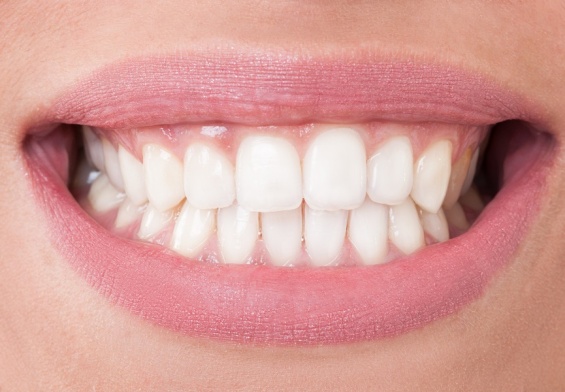

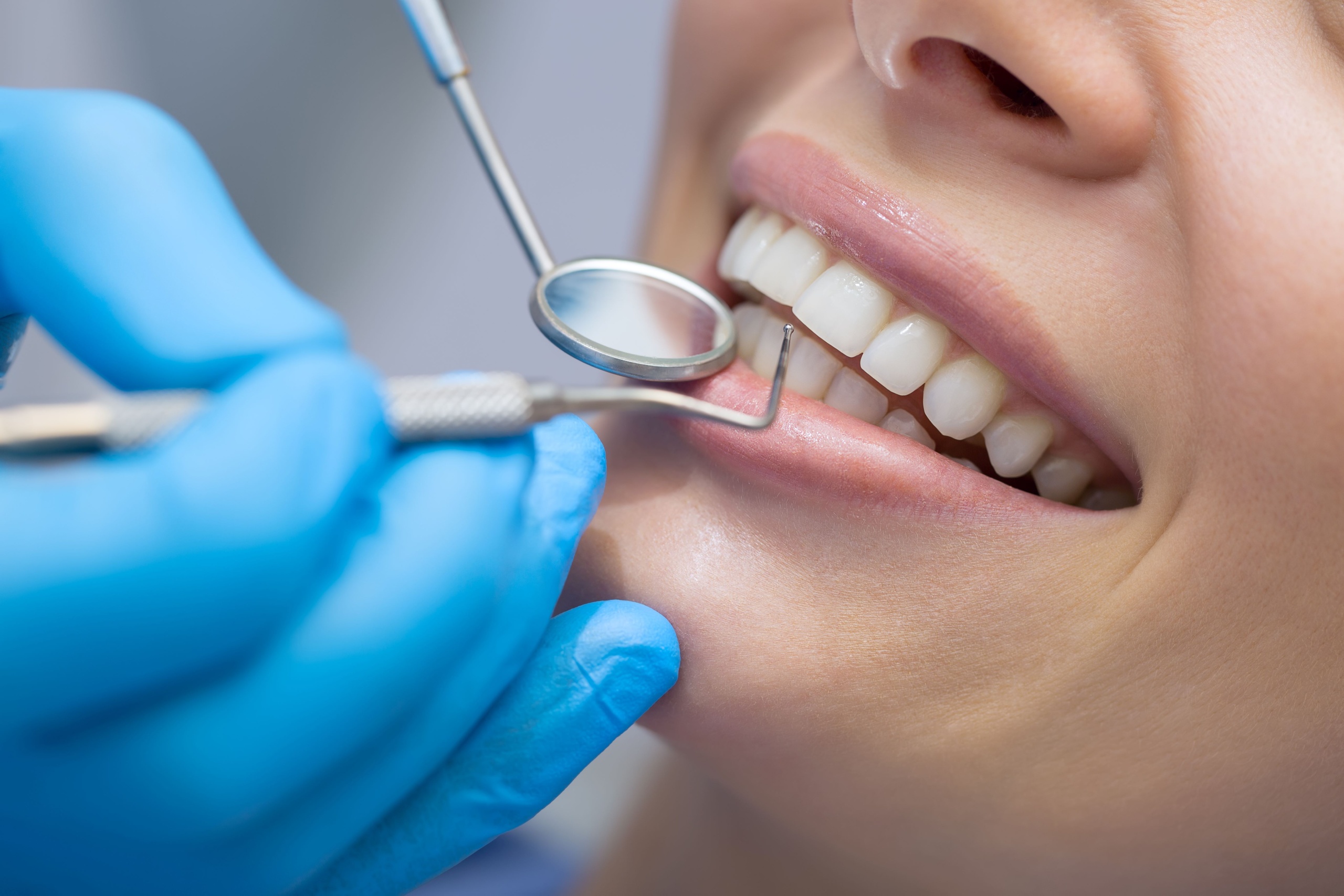
Investing in your smile is about more than aesthetics. Whether you have crowns, veneers, implants, or dentures, modern cosmetic and restorative dentistry can significantly improve function, confidence, and oral health. Like any valuable investment, your dental work requires proper care to maintain its appearance and longevity.
A restorative dentistry specialist focuses not only on creating beautiful results but also on helping patients protect those results for years to come. This guide explains how to safeguard your smile investment through daily habits, professional care, and specialized support for seniors.
Why Protecting Dental Work Matters
Cosmetic and restorative dental treatments are designed to last, but they are not indestructible. Veneers, crowns, bridges, implants, and dentures can fail prematurely if they are not properly maintained. Chips, fractures, gum disease, and bite issues can shorten the lifespan of dental restorations.
Patients who visit a restorative dentist in New Jersey often ask how long their dental work will last. The answer depends heavily on home care, lifestyle habits, and routine dental visits. With proper care, many restorations can last decades.
Daily Habits That Preserve Your Smile
Brushing the Right Way
One of the most common patient questions is, “do soft toothbrushes work?” The answer is yes. Soft toothbrushes are highly effective and recommended by most dentists because they clean plaque and bacteria without damaging enamel, restorations, or gums.
Aggressive brushing with hard bristles can wear down tooth enamel and damage the margins around crowns and veneers. This can lead patients to ask, “why are my teeth sensitive all of a sudden?” Brushing too hard is often a contributing factor.
Brush twice a day using a soft toothbrush and non abrasive toothpaste. Focus on gentle circular motions and do not forget the gumline.
Flossing and Interdental Cleaning
Flossing is critical for protecting restorations. Food particles and plaque that collect between teeth and around crowns or implants can lead to inflammation and decay. This is especially important for patients with New Jersey veneers or implant supported restorations.
For patients with bridges, implants, or custom dentures, specialized floss, interdental brushes, or water flossers can be extremely helpful.
Protecting Restorations From Damage
Addressing Teeth Grinding and Clenching
Bruxism, or teeth grinding, is a leading cause of restoration failure. Grinding can crack veneers, fracture crowns, and loosen implants. Many patients are unaware they grind until damage occurs.
A custom night guard can protect your smile while you sleep. If you experience jaw pain, headaches, or unexplained sensitivity, speak with your dentist in Millburn or dentist in Livingston about a bite evaluation.
Being Mindful of What You Eat
Hard foods like ice, hard candy, and unpopped popcorn kernels can damage restorations. Sticky foods can pull at crowns or dentures. While restorations are strong, they are not designed to withstand excessive force.
Moderation and awareness go a long way in preserving your dental work.
Professional Maintenance Is Essential
Routine dental visits allow your dentist to monitor restorations, check your bite, and identify problems early. Patients seeing a dentist in Maplewood, NJ, or surrounding communities benefit from professional cleanings that remove hardened plaque that brushing alone cannot address.
Your dentist can also polish restorations, adjust bite alignment, and ensure that crowns, veneers, and dentures remain stable and functional. Patients who wear dentures in New Jersey should schedule regular evaluations to ensure proper fit and gum health.
Special Considerations for Dentures
Patients with dentures in New Jersey often assume that once dentures are placed, maintenance is minimal. In reality, dentures require consistent care to prevent discomfort, infections, and bone loss.
Custom dentures are designed to fit your mouth precisely, but changes in bone structure over time may require relining or adjustments. A skilled restorative dentistry specialist can ensure that dentures remain comfortable and supportive of oral health.
Protecting Your Smile as You Age
Dental Care Challenges for Seniors
As patients age, maintaining oral health can become more challenging. Arthritis, limited mobility, memory issues, and chronic health conditions can make brushing and flossing difficult. Seniors are also more likely to experience dry mouth, gum recession, and root sensitivity.
For seniors with crowns, implants, veneers, or dentures, consistent care is essential to avoid complications.
How Home Care Services Support Senior Dental Health
Professional support can play a vital role in helping seniors maintain their smile investment. Services such as home care in Livingston, NJ, and home care in Somerset, NJ, often assist seniors with daily hygiene routines, including oral care.
Caregivers can help with brushing, flossing, denture cleaning, and medication management that affects oral health. They can also monitor changes such as gum swelling, mouth sores, or denture discomfort and alert family members when dental visits are needed.
This added support helps seniors protect their dental restorations while maintaining comfort, dignity, and independence.
Final Thoughts: How to Maintain Your Dental Restorations for a Healthy, Long-Lasting Smile
Your smile is one of your most valuable personal investments. With proper daily care, mindful habits, professional maintenance, and support when needed, your dental work can last for many years.
From busy professionals to seniors receiving assistance through home care in Livingston NJ, or home care in Somerset, NJ, protecting your smile investment is achievable with the right approach and guidance.