

Roughly 36 million Americans have lost all their teeth. Another 120 million are missing at least one. The last epoch held a removable denture as the answer — a plastic arch that would rest on the gums, held in place by suction or adhesive. If you want a solid grounding on what dentures are and how they work before diving into the comparison, that’s a good place to start.
But we’re entering a new era of denture dentistry. Removable, traditional dentistry came with a list of frustrations. They could slip when eating, cause speech to slur, or fall out when you laugh too hard. For many people, that’s a roadblock to living life to the fullest. And underneath it all, there’s a biological problem most patients don’t find out about until it’s already advanced: the jawbone quietly disappearing.
Today there’s a better option, permanent dentures. The question is whether the upgrade makes sense for your situation.
Quick Answer
Permanent dentures are fixed prosthetic teeth anchored to dental implants surgically placed in the jawbone. Traditional dentures rest on the gums and rely on suction or adhesive. The core differences are stability, bone health, and long-term economics. Permanent dentures don’t move, don’t need adhesive, allow you to eat a full diet, and — critically — stimulate the jawbone the way natural tooth roots do, which slows or stops the bone loss that traditional dentures speed up.
They cost more upfront. For most patients, the gap narrows considerably when you factor in the ongoing costs of traditional denture relining, replacement, and the downstream consequences of continued bone loss.
The Stability Gap: How Implant-Supported Dentures Differ
The most immediate thing patients notice after switching is that the teeth don’t move. Traditional dentures rely on a thin film of saliva, or an over-the-counter adhesive, to stay put. That system works until it doesn’t: a meal, a laugh, a moment of animation, and suddenly your teeth are falling out.
That won’t happen with permanent implant dentures because they’re anchored to titanium posts fused directly into the jawbone. There’s nothing to slip because there’s nothing resting on soft tissue. That’s a huge quality-of-life difference. Patients can finally eat what they want with total confidence, not just the foods that don’t threaten to dislodge their teeth.
It’s also worth knowing that snap-on dentures provide an in-between option. These attach to implants with connectors rather than being permanently fixed, so they can be removed for cleaning. They offer significantly better stability than traditional dentures and cost less than fully fixed permanent ones. The newest types of dentures available to NJ patients cover this middle ground in more detail. Dr. Szabela can walk you through which configuration makes the most sense at your consultation.
Bone Preservation: The Benefit Nobody Talks About
Stability’s the first thing most people think of with permanent dentures. That’s certainly a big help, but it tends to overshadow something more important – bone preservation. When you lose teeth, your jawbone doesn’t get the mechanical stimulation it needs to maintain its density. Your body sees the bone’s not being used, so it starts resorbing it.
That’s called alveolar ridge resorption, and it’s why long-term denture wearers often develop the sunken facial appearance associated with tooth loss. The bone underneath has gradually disappeared.
This issue’s lies at the core of traditional dentures. They press down on the gums and bones, but it’s just superficial. There’s no stimulation of the tooth root, and some research suggests they actually accelerate the process.
Implants do the opposite. Because they’re anchored in the bone and send chewing forces into it, they mimic what a natural root does. They stimulate the jawbone enough for your body to keep it around. This is why the choice between permanent and traditional dentures is about what your face looks like in ten years as well as comfort.
Who Is a Good Candidate?
Most people in reasonable general health qualify. During a consultation, Dr. Szabela and his team at Garden State Dental Design evaluates three main factors:
Bone density. The implants need to fuse with the jawbone through a process called osseointegration. Patients who have been missing teeth for years and have already experienced significant bone loss may not have enough volume to support implants as-is. GSDD addresses this with advanced bone grafting and PRGF Endoret (Plasma Rich in Growth Factors) treatments that rebuild the foundation before implant placement.
Systemic health. Conditions like diabetes affect healing, and uncontrolled blood sugar can impact how well implants integrate. Tobacco use matters too — it reduces blood flow to the surgical site and meaningfully lowers implant success rates. These aren’t automatic disqualifiers, but they’re factors that shape the treatment plan. For older patients weighing all their options, this comparison of dentures vs. implants for seniors walks through the decision from that angle.
Readiness to commit. If you’re worn out by the daily routine of removing, soaking, and re-adhering your teeth, you’re describing exactly what permanent dentures help with.
What Does It Cost in New Jersey?
Permanent dentures require a higher upfront investment than traditional ones. The exact number depends on how many implants are needed and the complexity of the case. There’s no honest single-figure answer without a 3D CT scan and a full exam first.
What’s worth knowing is how the long-term math shakes out. Traditional dentures need relining every one to two years as the jawbone changes shape, and most dentists recommend full replacement every five to seven years. Add in adhesives, the occasional emergency repair, and the eventual cost of managing bone loss, and the price gap between the two options closes faster than you might realize.
At Garden State Dental Design, financing is available through several partners to spread the cost into monthly payments. The goal is to make sure the financial picture is clear and workable before any treatment begins.
Daily Life with Permanent Dentures
Daily life with permanent dentures doesn’t look much different from life with natural teeth.
Eating. With traditional dentures, many patients quietly give up on certain foods like steak, apples, or anything that requires real biting force. With permanent dentures, that restriction goes away. The implant anchor handles chewing forces that a gum-resting plate never could.
Speech. Removable dentures shift. That shifting affects speech, sometimes noticeably. Fixed dentures don’t move, which means they don’t interfere with how you form sounds.
Cleaning. You don’t take these out. You brush them with a soft-bristle toothbrush the same way you’d brush natural teeth. Dr. Szabela recommends a Waterpik for cleaning around the implant sites. Regular check-ups at the Millburn or Clark offices check implant health and catch any issues early.
Longevity. Traditional dentures usually need replacement every five to seven years. Permanent dentures, maintained well, are designed to last decades — often a lifetime. And if you’re curious where denture technology is heading next, the future of dentures may look very different from anything available today.
The GSDD Same-Day Difference
One of the biggest hesitations patients have is the idea of going through a long period without teeth during the healing process. At Garden State Dental Design, that concern is addressed directly.
Often, Dr. Szabela can place the implants and attach functional, custom dentures in a single visit. You arrive with missing or failing teeth and leave the same day with a working smile. This is made possible by GSDD’s in-house technology and Dr. Szabela’s training in advanced implant protocols. It’s not a standard offering at most practices.
For patients considering full-mouth rehabilitation, GSDD also coordinates the broader scope of work. Implants, bone grafting, and final restorations are treated as a single planned treatment instead of a-la-carte offerings.
Key Takeaways
- Stability is immediate and total. Implant-anchored teeth don’t slip, shift, or need adhesive.
- Bone preservation is the bigger long-term benefit. Implants stimulate the jawbone; traditional dentures don’t — and may speed up bone loss.
- Most patients are candidates, including those with existing bone loss, thanks to GSDD’s bone grafting and PRGF protocols.
- The cost gap narrows over time. Traditional dentures need ongoing relining and eventual replacement; permanent dentures are built to last.
- Same-day placement is available at GSDD — no extended period without teeth during treatment.
Is the Upgrade Worth It?
For patients who want to eat without restriction, speak without anxiety, and protect their facial structure for the long term — yes. The answer from most patients who’ve made the switch is that they wish they’d done it sooner.
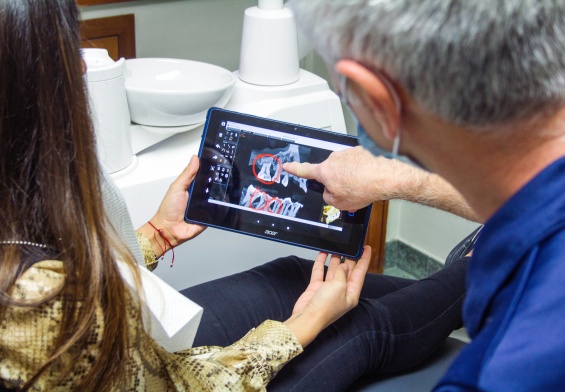
If you’re in the Clark or Millburn area and want to understand exactly what your case would involve, a consultation with Dr. Szabela starts with a 3D scan and a realistic conversation about what’s achievable, what it costs, and how to get there. You can explore permanent dentures and dental implants at Garden State Dental Design to learn more before booking.
Resources
- Centers for Disease Control and Prevention (CDC). About Oral Health (2024).
- American Dental Association (ADA). Denture Care and Maintenance (2023).
- National Center for Health Statistics. Dental Visits — Health, United States (2023).