
Fluoride is in most toothpastes, added to tap water across most American cities, and applied at routine dental cleanings. It is also the subject of more online skepticism than almost any other dental topic. The questions people have about it are fair ones. So is fluoride good for your teeth? The research has a consistent answer, and it is worth knowing what that is rather than what gets repeated online.
What Fluoride Is and How It Works
Fluoride is a mineral found naturally in soil, water, and many foods. Its role in the mouth is to slow a process that runs all day in your enamel.
Every time you eat, bacteria consume sugars and produce acid. That acid pulls calcium and phosphate out of your enamel, a process called mineral loss. Over time, if the damage outpaces repair, a cavity forms.
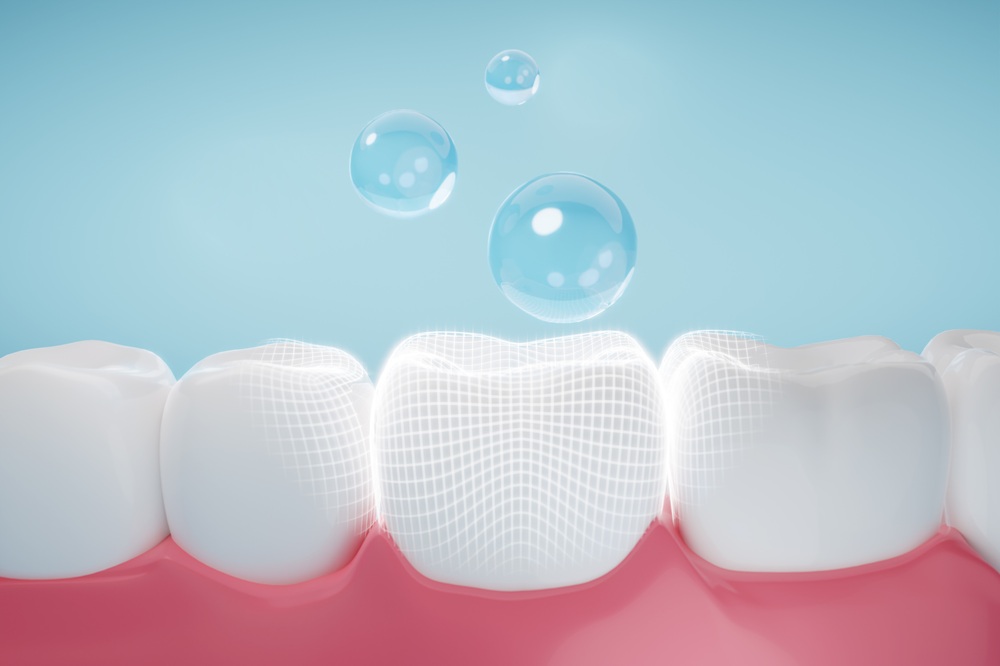
Saliva helps reverse this. Minerals from saliva go back into enamel in a process called mineral rebuilding. Fluoride makes that repair more effective. Enamel rebuilt with fluoride is harder and more resistant to acid. Fluoride also disrupts the bacterial enzymes that produce acid, cutting damage before it begins.
So Is Fluoride Good for Your Teeth?
The evidence says yes, backed by decades of research. According to the CDC, adding fluoride to public water is one of the ten great public health achievements of the twentieth century. Research from the American Dental Association supports fluoride in toothpaste and dental treatments, based on data showing lower cavity rates in people with access to it. Cavities in children dropped by more than half after fluoride toothpaste became common in the 1960s.
Fluoride in toothpaste works by coating enamel during brushing and for a few minutes after. Professional dental cleanings and exams often include a fluoride varnish, gel, or foam at a much higher dose than any toothpaste. Both show real benefit. Dental fluoride treatments count most for people at higher cavity risk.
Where Fluoride Comes From: Water, Toothpaste, and the Dentist’s Chair
American tap water in fluoridated areas contains fluoride at 0.7 parts per million. That is the level the U.S. Public Health Service has set as best for cavity prevention. About 73 percent of Americans on public water systems have access to it. People who drink mainly bottled water often do not.
Fluoride toothpaste sits at levels between 1,000 and 1,500 parts per million. That is a large jump from tap water, and it is why brushing is the most reliable daily source for adults. Rinsing hard right after brushing washes the fluoride away before it can act. Many dentists say to spit and skip the rinse.
Dental fluoride treatments go higher still. A standard varnish contains around 22,600 parts per million. The contact time is short, but the enamel benefit is stronger than what daily toothpaste can provide. Family and pediatric dentistry practices apply fluoride varnish routinely for children at elevated cavity risk, since the window for protecting developing enamel does not stay open long.
Is Fluoride Good for Your Teeth Even With Concerns About Overexposure?
Dental fluorosis is the main concern when people ask “is fluoride good for your teeth?” It is real, and knowing what it involves puts the concern in proportion.
Fluorosis happens when children under eight take in too much fluoride during tooth growth. Mild fluorosis shows up as faint white lines or spots on enamel. It is a cosmetic issue, not a health one.
Moderate fluorosis produces more visible white patches. Severe fluorosis, which causes pitting and brown staining, is rare in the United States. It is tied almost entirely to areas where fluoride in well water far exceeds the 0.7 ppm level used in public systems, not to toothpaste or tap water used as directed.
Adults do not develop fluorosis. The risk window closes once enamel has formed. A pea-sized amount of fluoride toothpaste for young children, with instructions to spit rather than swallow, is the standard guidance from the ADA. At those amounts, the fluorosis risk is not zero, but it is low enough that the cavity prevention benefit is the bigger factor for most families.
Some People Get More From Fluoride Than Others
Children benefit during the years when their adult teeth are forming. Fluoride built into developing enamel strengthens those teeth before they face acid. Adults with frequent cavities also benefit from more consistent use, including dental fluoride treatments.
People with dry mouth get real value from fluoride. Saliva is the mouth’s natural acid buffer. It neutralizes acid and helps rebuild enamel. Drugs that cause dry mouth, including allergy drugs, mood drugs, and blood pressure drugs, reduce this defense and raise cavity risk. Fluoride covers some of the work that saliva can no longer do.
Gum recession leaves tooth roots exposed. Roots are covered by cementum rather than enamel, and cementum loses minerals faster under acid exposure, which is why root decay can progress quickly once recession sets in. Fluoride helps slow that process by reinforcing the mineral layer on exposed root surfaces.
People with sensitive teeth often see improvement with regular fluoride use. Prescription-strength fluoride toothpaste helps reinforce thinned enamel, cutting the path by which heat and pressure reach the nerve.
Patients who come in for a cleaning at a practice focused on complete health dentistry may leave with a prescription fluoride toothpaste if the dentist flags dry mouth, significant recession, or a pattern of recurring decay, situations where standard toothpaste is not enough.
FAQ
Is fluoride in tap water safe to drink?
Yes. Adding fluoride to public water has been standard practice in the United States since 1945. The level used, 0.7 parts per million, sits well below any threshold tied to health risk. The CDC, the ADA, the American Medical Association, and the World Health Organization all endorse it based on the same body of research. People who switch to bottled water to avoid fluoride often end up with water that contains none at all, removing the cavity-prevention benefit without gaining any health advantage.
Should adults get fluoride treatments at the dentist?
Whether is fluoride good for your teeth as an adult is not in debate. The question is whether the fluoride you are getting is enough.
Adults with dry mouth, gum recession, exposed roots, braces, or several cavities in recent years benefit from dental fluoride treatment every three to six months. Adults with a clean record and good home habits may get enough from toothpaste. Fluoride keeps doing its job throughout adulthood, not just while teeth are forming.
Is fluoride-free toothpaste a good option?
Fluoride-free toothpaste cleans teeth but does not strengthen enamel or support mineral repair. For someone at low cavity risk with good oral hygiene, the gap may be small. For anyone with exposed roots, dry mouth, frequent cavities, or braces hardware, dropping fluoride removes defense that nothing else replaces. If you are considering the switch, ask your dentist to go through your cavity risk profile. That way you are working from your actual cavity history, not a general recommendation.
What to Ask Your Dentist About Fluoride at Your Next Visit
For adults asking whether is fluoride good for your teeth, the research has already answered that. The useful follow-up is which form and how much.
Standard fluoride toothpaste is enough for adults with no elevated risk. A varnish every six months at a cleaning covers those with moderate risk. Prescription-strength fluoride is the right tool for people whose saliva, gum health, or cavity history puts them in a higher-risk group.
If you have gone years without a cavity and your gums are healthy, your current routine is likely working. If cavities have been a recent issue, or if dry mouth or gum recession is a factor, ask your dentist at your next cleaning whether your home routine is enough.
CDC, Community Water Fluoridation
ADA, Fluoride: Topical and Systemic Supplements
NIDCR, Fluoride and Tooth Decay
Cleveland Clinic, Fluoride