

Skipping a professional teeth cleaning is rarely about fear. Life gets busy, nothing hurts, and patients keep pushing the appointment back. But tartar builds whether or not a mouth feels fine. Once tartar causes gum damage, fixing it costs far more than a cleaning would have.
What Happens During a Professional Teeth Cleaning
Skipping any part of getting your teeth cleaned leaves cavities, gum disease, and early decay undetected. When getting this done, first comes a visual exam. A hygienist checks for swelling, redness, pocketing at the gum line, and any spots that need a closer look. If X-rays are due, they go in now. Only after the exam does the cleaning begin.
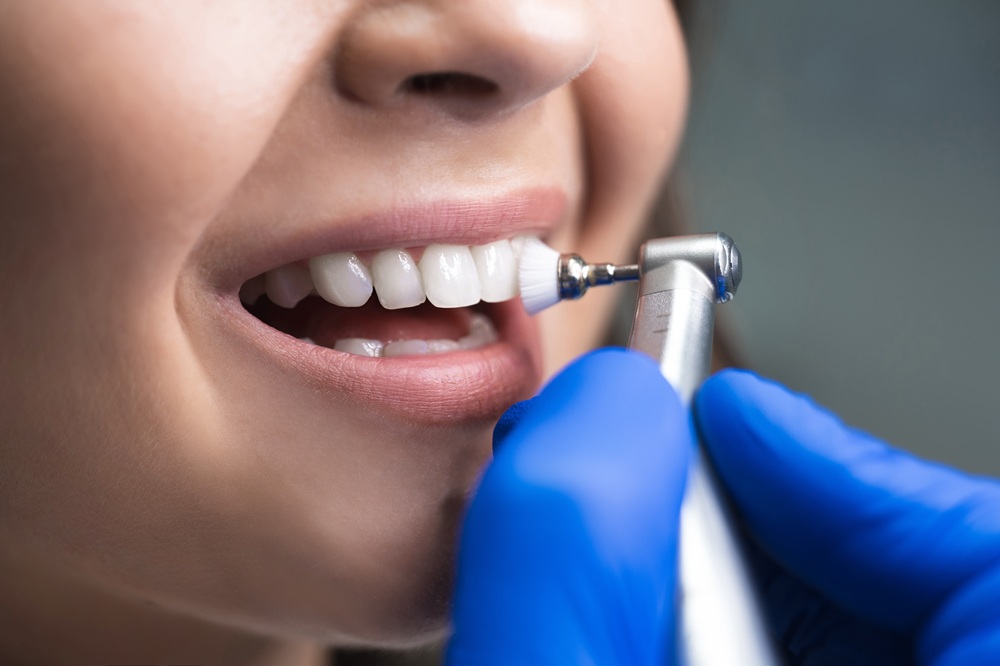
Scaling is next. Using hand tools or an ultrasonic scaler, the hygienist breaks up tartar. Tartar is the hardened mineral deposit that builds on teeth and below the gum line. Brushing cannot remove tartar. Only a dental tool breaks it off cleanly. After scaling, a gritty paste polishes away surface stains and smooths the enamel. Some practices finish with a fluoride treatment. Not every practice runs an assessment before the cleaning. A dental cleaning and exam that skips the assessment step leaves decay and gum problems that a polish will not catch.
Plaque vs. Tartar: What Changes During a Professional Teeth Cleaning
Plaque is a soft, sticky film that forms on teeth within hours of eating. A toothbrush and floss remove it when caught early. But when plaque sits on a tooth surface for 24 to 72 hours, it starts to harden. It absorbs calcium from saliva and turns into tartar, also called calculus. Tartar bonds to the enamel, and no toothbrush will dislodge it.
Why Brushing Alone Cannot Remove Tartar
Once tartar forms, only a dental tool can break it off. Brushing over tartar just polishes around it, leaving deposits in place. Tartar is porous. Its surface contains microscopic channels that trap bacteria far more readily than smooth enamel does. The longer it sits, the more bacteria accumulate at the gum line.
How a Dental Cleaning Connects to Your Overall Health
Gum disease does not stay in the mouth. The CDC links it to heart disease, poorly controlled diabetes, and preterm birth. When gum tissue is inflamed and bleeding, bacteria enter the bloodstream directly. Chronic gum inflammation also raises the body’s overall load of inflammation. Conditions like cardiovascular disease and diabetes are harder to manage when active gum disease is also present.
A professional cleaning reduces the bacterial load in the mouth. It also gives the hygienist a chance to spot signals like dry mouth or unusual bleeding. Dry mouth and unusual bleeding patterns sometimes appear in the mouth before a doctor finds them elsewhere. When dentists use a complete health dentistry approach they are treating the cleaning visit as a whole-body checkpoint. Some cardiologists now ask patients about their dental history because the gum-heart link is strong enough to change treatment decisions.
How Often Do You Need a Professional Cleaning?
Twice a year is the standard for adults with healthy gums, but the actual interval varies depending on what the hygienist finds. Patients with gum disease, gingivitis, diabetes, dry mouth, or heavy tartar buildup often need cleanings every three to four months. At shorter intervals, the hygienist can disrupt bacterial colonies before they recover enough to cause new tissue damage. A hygienist’s advice comes from what they found that day. If they say three months rather than six, there is a specific finding behind it.
Children often fall outside the twice-a-year standard too. Kids in braces build up plaque in different patterns around brackets and wires. Those areas are harder to clean at home. Older adults face more gum recession and root exposure, which creates new vulnerable surfaces. Roots lack the enamel protection that crowns have. Cavity risk at the gum line goes up, and the hygienist adjusts the interval accordingly.
Does a Professional Teeth Cleaning Hurt?
For patients with healthy gums and minimal tartar, a routine cleaning is not very painful. Some soreness near the gum line is normal, especially in areas with recession. Cold air from the scaler can cause brief sharp sensations. If more than a year has passed since the last cleaning, plan for more discomfort. Inflamed gum tissue bleeds more easily, and scaling around it takes more pressure. Patients who know they are overdue can take an over-the-counter pain reliever an hour before the appointment. A hygienist who knows will usually adjust their technique accordingly.
Inflamed tissue bleeds more readily and the pressure feels sharper than it would with healthy gums. Patients sometimes worry this means something went wrong. It does not. Inflamed tissue responds that way to contact, and the soreness settles within a day or two after the cleaning.
Deep cleaning, or scaling and root planing, treats pockets below the gum line and needs local anesthetic. Practices book it as its own appointment, sometimes spread across two visits by quadrant. A good general dentistry practice can assess at the exam whether a standard cleaning or a deeper treatment makes sense first.
What Happens If You Keep Skipping Cleanings?
Gingivitis comes first: inflamed, swollen, bleeding gums caused by bacteria along the gum line. Gingivitis reverses with a professional teeth cleaning and better home care. Left alone, it becomes periodontitis.
Periodontitis spreads the infection below the gum line, and the bone holding the teeth begins to break down. Bone loss does not reverse. Once bone loss starts, treatment moves to managing what remains: cleaning out pockets, bone grafts in some cases, and more frequent maintenance visits. Tooth loss is an eventual outcome of untreated periodontitis. For years nothing hurts, and by the time something does, bone loss is already underway.
Questions Patients Often Ask
Is a dental cleaning the same as a dental exam?
No, though most practices run both in the same appointment. An exam is the diagnostic step: the dentist and hygienist check for cavities, gum disease, oral cancer, and bite problems. A cleaning is what follows. Skipping the exam to save time means the diagnostic step never happens, which is how small problems become bigger ones.
How long does a professional teeth cleaning take?
For a patient with healthy gums and no significant buildup, the whole appointment typically runs 45 to 60 minutes. Patients with heavy tartar, gum pockets, or a long gap since their last visit should plan for 60 to 90 minutes. Deep cleaning is a separate appointment, sometimes split across two visits by quadrant, and both sessions together typically run 90 minutes to two hours total.
Can I eat after a dental cleaning?
Eating normally after a standard cleaning is fine. When fluoride is part of the visit, most practices ask patients to wait 30 minutes before eating or drinking. After a deep cleaning, soft foods for a day or two help if the gums are sore. Ask before leaving since the answer depends on what the hygienist did.
The Interval Comes From Your Chart
At the end of every cleaning, the hygienist records pocket depth readings, tartar pattern, bleeding points, and tissue condition. A six-month interval with a return date means that person’s chart showed nothing that warranted coming back sooner. A three-month interval means something in those readings warranted closer attention. These kinds of findings might mean active inflammation, open pockets, or a pattern of rapid tartar buildup. Keeping up and learning how to keep your gums healthy between visits can help you learn how to reduce buildup. This way the next professional teeth cleaning becomes a routine checkup rather than a repair appointment.