
Toothbrushing can become difficult when toothpaste burns or bristles feel rough against the gums. A dental visit brings unfamiliar sounds, and staff may need to work close to the person’s face. Telling a dentist which sensations cause distress helps them plan autism dental care around what the person already tolerates. Parents can use what they have seen at the sink when they call the dental office.
Autism Dental Care Can Begin With a Get-Acquainted Visit
Sometimes a family arrives knowing that entering the room and sitting in the chair may be enough for the first visit. NIDCR, the National Institute of Dental and Craniofacial Research, notes that developmental disabilities can make daily oral care harder. They can also make directions in a dental office harder to follow. A treatment-free get-acquainted visit can be part of autism dental care when someone needs time with the room and exam sequence. Parents can describe which kinds of touch around the face cause distress.
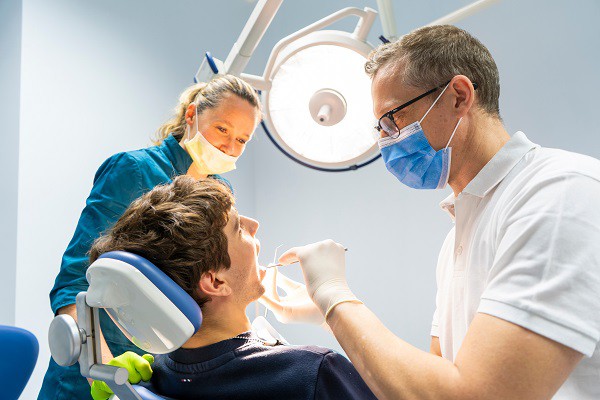
A dentist working in family and pediatric dentistry may begin with a chair ride or a look around the room. An exam can follow if the person remains comfortable. A parent can bring the toothbrush already used at home. Before the visit begins, office staff can put the person’s break cue and the first planned step in the appointment notes.
Why Toothbrushing Can Break Down at the Sink
A child may accept a dry toothbrush and stop as soon as mint foam reaches the tongue. For the next attempt, a caregiver can keep the brush and brushing position the same while trying another toothpaste. Changing one item can show whether taste, pressure, or another sensation caused the stop. If the brush head seems to be the problem, a caregiver can keep the toothpaste and brushing position the same.
Some people can brush part of the mouth on their own and need help finishing. A caregiver can finish missed areas or use a modified toothbrush handle when hand control makes brushing harder. When a caregiver has to finish brushing, a dentist or hygienist can show which tooth surfaces need more cleaning at home.
Visual Steps Can Help With Autism Dental Care
Caregivers can put brushing steps into a visual sequence and use the same order each day. A 2025 systematic review in the journal Autism examined 36 studies of oral care for autistic children and adults. Visual preparation before brushing or a dental visit showed promise. Distraction or sensory-reducing methods may also help someone get through a dental visit. A family can begin by picking up the brush and cleaning one area, then add spitting later.
The authors rated 23 of the 36 studies weak and 8 adequate. Only one study set out to include autistic adults. Families and dentists may need to change child-focused advice for an adult with established brushing habits or other sensory needs.
A Break Cue Belongs in the Appointment Notes
Photos of the entrance or treatment room can give someone a preview before appointment day. At home, a family may rehearse sitting back in a chair or opening the mouth for a few seconds. Practice can stop at the first strong reaction, and a family can tell the office where the strong reaction happened. A dentist can plan autism dental care around the last step the person tolerated without distress. If front teeth are easier than back teeth at home, a parent can share that order with the office.
Someone may speak, use AAC, or point to a card to ask for a pause. Staff can review the person’s usual pause cue before treatment begins. Families can also tell staff whether the person wants to see an instrument before it touches the mouth. If the person uses the cue in the chair, staff know the request means stop for a break.
Autism Dental Care Sometimes Starts With Half an Exam
Once the room feels overwhelming, a dentist may stop the visit before completing every planned task. During a professional cleaning and exam, a dentist or hygienist can note which steps the person finished and where distress began. If the visit ends after a mirror exam or part of a cleaning, staff can write the stopping point in the chart.
Staff Can Record What Worked During a Short Visit
During a long appointment, fatigue can make sound or touch harder to tolerate. Dividing care across visits may give a dentist enough time to finish one needed task before the person becomes overwhelmed. Staff can record how the person asked for a pause and which part of the visit caused the strongest reaction.
A Week of Brushing Is Hard to Recall in the Chair
Families can write down the brush they used and where brushing stopped. Sometimes the detail is small, like brushing going well until the back teeth, and a parent may forget it once the appointment starts. A dentist can use the home notes to plan autism dental care without relying on memory alone.
New pain with a toothbrush that worked the week before is a reason to call the dentist. If one side of the mouth has become harder to clean, the family can mention that change during the call. A dentist can examine the area before the family changes the whole brushing routine.
When Fear From a Prior Visit Follows Home
If the person becomes upset when someone mentions the dental office, the next appointment may need a shorter plan. A dentist can discuss dental anxiety treatment and decide which part of care needs attention first. Families can tell the dentist where the earlier visit became hard, such as in the waiting room or when an instrument came near the mouth.
Some people still cannot get through a needed exam or cleaning after shorter visits and home practice. A dentist can discuss whether sedation dentistry is appropriate after reviewing the person’s health history and planned treatment. Families can ask what the person may experience on appointment day and what recovery at home may involve. Families can also ask who will provide the sedation and how the office monitors the person.
Questions Parents and Caregivers Ask
Can an autistic child use an electric toothbrush?
Yes, if the child accepts the sound and vibration and the brush cleans the teeth well. A manual brush may be easier when vibration causes distress, and a dentist can check whether the chosen brush reaches the gumline and back teeth.
Should a family bring a medication list?
Yes. Families can bring a current medication list so a dentist can review dry mouth or gum changes that may affect care.
What if flossing is harder than brushing?
A floss holder or floss pick can reduce the hand control needed for traditional floss. A dentist or hygienist can show a caregiver how to clean between the teeth without hurting the gums.
The Next Visit Can Start From the Chart
After the appointment, families can ask the office to record the break cue and how far the exam or cleaning went. A different hygienist can read the chart note before the next appointment. Before leaving, families can ask how long the next appointment should be and which task the team plans to try first next time.
Sources
National Institute of Dental and Craniofacial Research, Developmental Disabilities & Oral Health
Autism, Oral Care Interventions for Autistic Individuals: A Systematic Review