

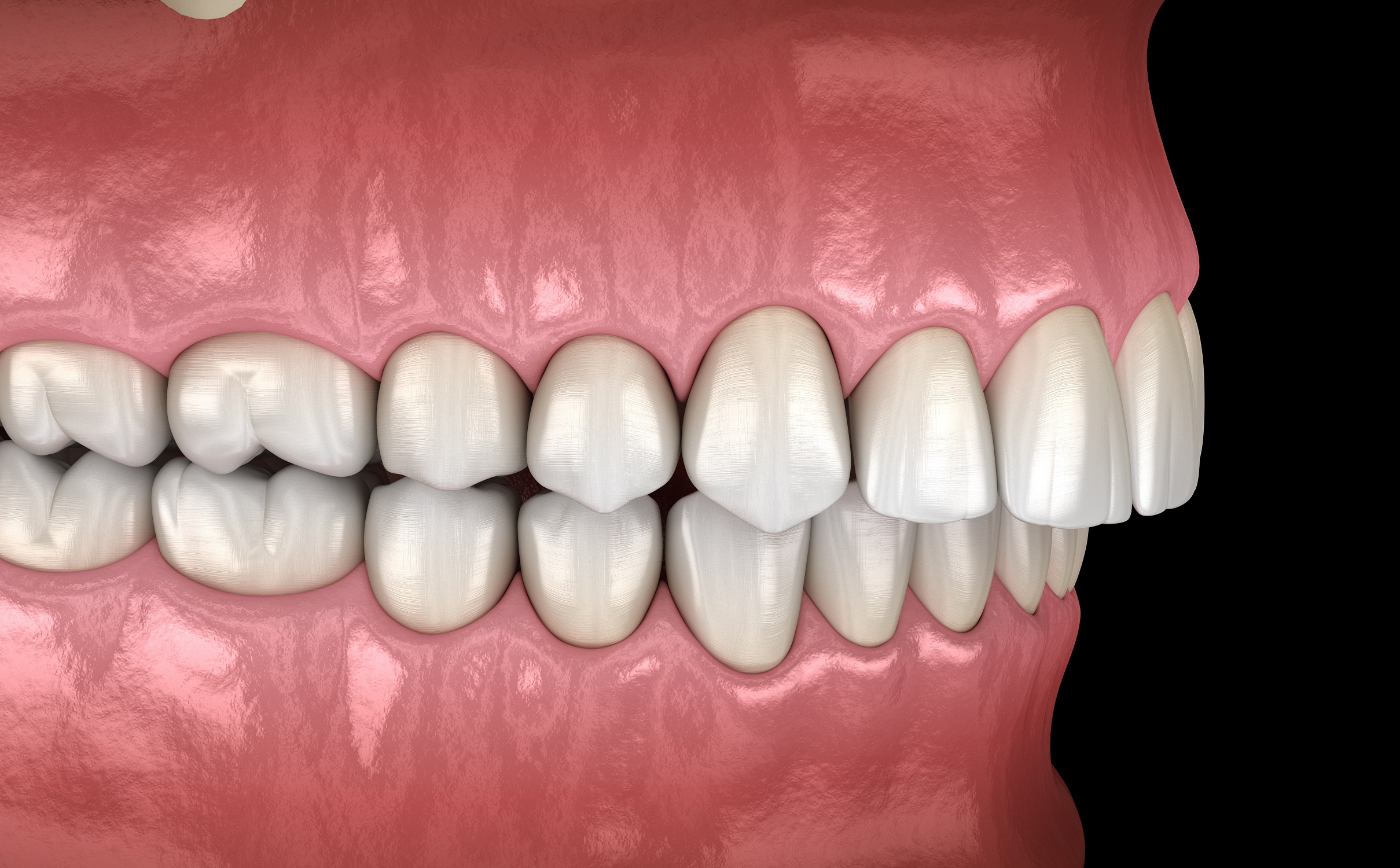
A pale patch in an extraction site can be unsettling, especially when the jaw still aches three days after a tooth comes out. Someone may lean toward the bathroom mirror, trying to decide whether the opening looks healthy. Dry socket vs normal healing is difficult to judge by color alone. Changes in pain, along with the date of the extraction, give a dentist more to work with than a close-up photo.
Dry Socket vs Normal Healing: What the Pain Reveals
After a tooth comes out, a blood clot forms inside the socket. The clot protects bone and nerve endings while new tissue begins growing. If the clot comes loose too soon or never forms well, the exposed area can become very painful. Dentists call the problem alveolar osteitis, or dry socket.
Soreness after tooth removal may be unpleasant, especially after a difficult procedure. When pain becomes severe after an easier day, a dentist can examine the site during an emergency dental appointment. Pain that travels toward the ear or temple deserves a call before the next planned visit. An exam lets the dentist inspect the socket without the patient probing the wound at home.
Someone may leave a meal unfinished because each bite causes more pain. Cleveland Clinic estimates that dry socket affects about 2% to 5% of extractions, with higher risk after wisdom teeth removal. Pain severe enough to interrupt meals or sleep deserves a dental check.
What a Healing Extraction Site Can Look Like
A fresh clot may appear dark red or brown on the first day. As new tissue grows, a socket can look cream-colored or uneven. A large molar can leave a visible opening for days. Gum tissue gradually grows across the area while the bone underneath takes longer to heal.
Stitches may pull the gum edges together without covering the entire opening. Online photos for dry socket vs normal healing cannot show how much pain someone has or whether the dentist used stitches. New tissue can cover one edge of the opening before the other, leaving an uneven rim.
Dry Socket vs Normal Healing: Can Both Look White?
A white or cream film may develop as tissue replaces the original blood clot. Exposed bone can also appear pale, so a color check cannot settle the question. A person who feels better each day may still see a white patch while the gum closes.
Dry Socket vs Normal Healing: How Symptoms Change by Day
On extraction day, local anesthetic may mask discomfort for several hours. Bleeding generally slows as the clot forms, although saliva may remain lightly pink. The dentist may ask the patient to bite on gauze and avoid rinsing or spitting for the first 24 hours.
By day two or three, jaw soreness and swelling can peak after a surgical extraction. Mayo Clinic reports that dry socket pain commonly begins one to three days after tooth removal. Someone who slept well the second night may feel a much sharper ache on day three.
During days four and five, normal soreness may be easing even if the gum still looks open. Recovery can take longer after an impacted molar because the dentist or surgeon worked through gum or bone. During wisdom teeth recovery, jaw stiffness may make chewing uncomfortable after socket pain begins to fade.
What Can Disturb the Blood Clot
Dry socket can occur even when a patient follows the care instructions. A difficult extraction, infection near the removed tooth, and prior dry socket can raise the risk. Smoking adds another risk because tobacco affects healing, and suction can dislodge a fresh clot. People who use birth control pills containing estrogen may also face a higher risk.
For the first day, patients should avoid forceful rinsing, hard spitting, and drinking through straws. A dentist may recommend gentle saltwater rinses starting after 24 hours, but the office’s instructions take priority. Food should be soft at first, and patients can chew on the opposite side. Trying to clean the hole with a toothpick or fingernail can injure new tissue.
After oral surgery, patients may be tired when the staff explain how to care for the wound. Written instructions can help once the numbness wears off. Anyone taking prescription medicine, including hormonal birth control, can review the medication list with the dentist before another extraction. Patients should not stop prescribed medicine without advice from the clinician who manages it.
Symptoms That Need a Dental Call
New pain after an easier day deserves a call to the dentist who removed the tooth. Staff may ask whether the ache reaches the ear or neck and whether pain medicine works. Fever, pus, or growing swelling can point to infection that needs its own examination. If the office is closed, the discharge sheet may list a number for urgent dental questions.
Bleeding that continues after the advised pressure with clean gauze needs urgent dental advice. Trouble breathing or swallowing, or swelling that grows quickly toward the neck, requires emergency medical care. Someone who cannot breathe normally should call emergency services immediately.
What Happens at an Appointment for Severe Socket Pain
A dentist first checks the opening and asks how the pain has changed since extraction day. If a dentist suspects a tooth fragment, an X-ray may help locate it. For dry socket, the dentist may gently rinse away debris and place a medicated dressing. The dressing can reduce pain while new tissue covers the area.
After a complicated extraction, a dentist may ask an oral surgeon to assess the site. Some patients need another visit to change or remove a dressing. Before leaving, patients can ask which symptoms warrant another call.
Antibiotics are not routine treatment for dry socket because the problem alone does not prove infection. A dentist may prescribe antibiotics if an examination finds an infection. Patients should follow directions for pain medicine and avoid putting home remedies into the socket.
Questions About Dry Socket vs Normal Healing
Can dry socket happen after an ordinary tooth extraction? Yes. Even a quick extraction can leave a blood clot vulnerable to damage. A socket without stitches can develop dry socket too.
What if food gets stuck in the opening? Patients can ask the dentist when to start gentle rinsing if food becomes trapped. Some offices give patients a curved-tip syringe for later cleaning, but the dentist should explain when to begin.
Does a bad taste prove that someone has dry socket? No. Dry socket can cause an unpleasant taste, but food debris and infection are other possibilities. A patient can tell the office when the taste began and whether new pain followed.
What to Tell the Dentist Before the Next Visit
Before calling, patients can write down the extraction date and which tooth the dentist pulled. Staff may ask how strong the pain is, when it worsened, and the time of the last pain dose. Patients can mention whether there is a bad taste, fever, or new swelling. After hearing those details, the dental team can advise how soon to come in and how to care for the wound beforehand.
Sources
- Cleveland Clinic. Dry Socket: Symptoms, Causes & Treatment.
- Mayo Clinic. Dry socket – Symptoms and causes.