

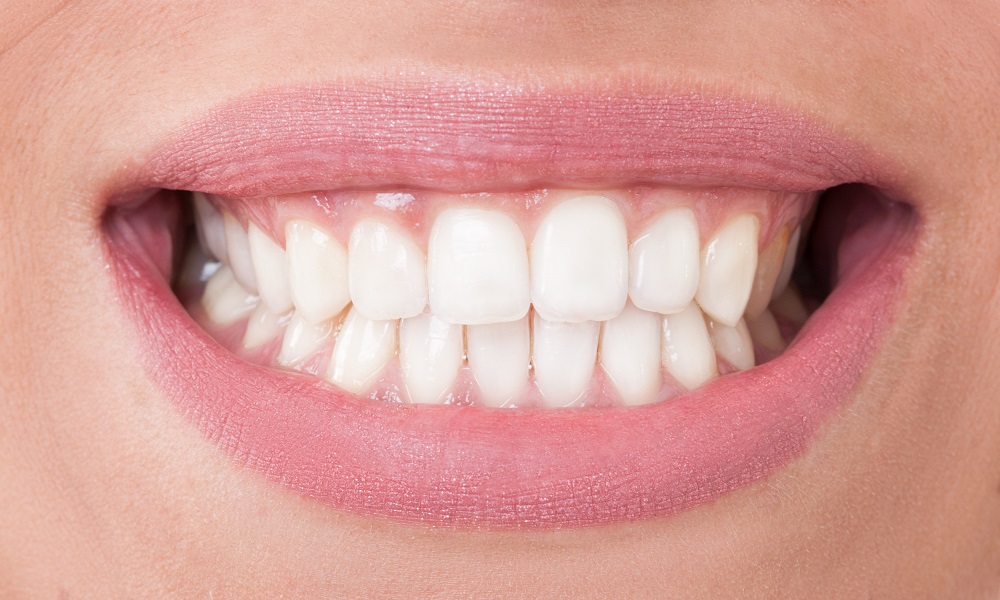
Some mornings, the tongue sticks to the roof of the mouth before a person can speak comfortably. By breakfast, the dryness may be gone, leaving little for a dentist to see later. Waking up with dry mouth night after night may mean teeth receive less of saliva’s protection.
Why Waking Up with Dry Mouth May Fade by Breakfast
While someone sleeps, the salivary glands produce less fluid than during the day. The American Dental Association reports that saliva output reaches its daily low during sleep, and mouth breathing can worsen dryness. At night, food residue near the gums has less saliva washing it away.
A person may feel dry even when the glands produce a normal amount of saliva. At a dental examination, a dentist may look beneath the tongue for small pools of saliva. Trouble swallowing dry foods at lunch is another clue that the problem extends beyond sleep.
When Mouth Breathing Dries the Tongue Overnight
A stuffy nose can leave someone breathing through the mouth during sleep. Air moving across the tongue and cheeks dries moist tissue when the lips remain apart. A scratchy throat or cracked lips may be the only signs left by morning.
Mouth tape may interfere with breathing when congestion blocks the nose. A person can note whether the nose stays blocked through the day. If congestion persists after a cold, a doctor can check the nasal passages.
When Snoring Comes With a Dry Mouth
A partner may notice breathing pauses or hear a sudden gasp during sleep. Morning dryness can accompany loud snoring without proving sleep apnea. Daytime sleepiness and headaches on waking can add to the concern. A sleep clinician can decide whether a patient needs an overnight sleep test.
After a sleep apnea diagnosis, some patients work with a dentist on an oral appliance for sleep apnea. A fitted device may help keep the airway open by moving the lower jaw forward. People using a CPAP breathing mask can ask the sleep team to check air leaks and humidification. Prescribed pressure settings should stay unchanged until the treating team reviews them.
Medicines and Health Conditions That Reduce Saliva
Someone may begin waking up with dry mouth after starting an allergy pill or changing a prescription. The National Institute of Dental and Craniofacial Research lists medication side effects among the causes of dry mouth. Drugs for depression and high blood pressure can reduce saliva as well. A prescriber can review the medicines; patients should never stop prescribed treatment on their own.
Dehydration after a fever or heavy sweating can make the tongue feel dry for a short time. Persistent thirst with frequent urination can prompt a doctor to check for diabetes. Dry eyes alongside lasting mouth dryness may raise questions about Sjögren’s disease, which affects glands that produce tears and saliva. A doctor must assess the symptoms before diagnosing either condition.
Older adults may blame age when a dry mouth starts. The National Institute of Dental and Craniofacial Research says persistent dry mouth is not a normal part of aging. Radiation to the head or neck can damage salivary glands, so a dental history should include prior cancer treatment.
How Waking Up with Dry Mouth Can Lead to Cavities
When saliva is low, acid from mouth bacteria can stay near teeth for longer. Saliva normally neutralizes acid and supplies minerals that repair early enamel damage. With less saliva, cavities may begin along fillings or close to the gums. A chalky white patch near the base of a tooth can appear before a cavity is deep enough to feel.
Receding gums expose tooth roots, which lack the enamel coating on tooth crowns. Root surfaces may decay more quickly when plaque remains near the gums and saliva is scarce. A dentist may recommend fluoride treatments or prescription toothpaste for patients with repeated root cavities. A root cavity can form while the top of the same tooth still looks healthy.
Low saliva also makes mouth infections more likely. Thrush, a fungal infection, may leave sore or creamy patches on the tongue or cheeks. Someone with a burning tongue or new mouth sores should have the tissue examined before trying home remedies. Dentures may rub against dry gums and cause sores as well.
Before Bed: Water, Toothpaste, and Mouth Rinse
Plain water near the bed may ease dryness caused by dehydration. Saliva also contains minerals and proteins that plain water lacks. Sipping soda, juice, or sweet tea overnight bathes teeth in sugar or acid. Even sugar-free water with lemon can expose enamel to acid during repeated sips.
A person who uses mouthwash containing alcohol before bed may notice more irritation by morning. An ingredient list can reveal alcohol even when the rinse tastes fresh. A dentist can suggest an alcohol-free rinse or saliva gel for someone who wakes with a sticky tongue.
Before bed, patients can brush with fluoride toothpaste and clean between teeth once a day. Spitting out the foam without a strong water rinse leaves more fluoride on the teeth. During the day, sugar-free gum can stimulate saliva if chewing is safe. Gum and lozenges must be out of the mouth before sleep because they pose a choking risk.
A clean humidifier may ease discomfort when bedroom air is dry. Following the tank’s cleaning instructions helps prevent mold or bacteria.
When Waking Up with Dry Mouth Needs an Exam
Recurring morning dryness can justify a dental check even without tooth pain. A dentist can inspect root surfaces and the edges of older fillings. The dentist may suggest shorter intervals between checkups if new cavities are appearing.
A dentist may measure saliva flow when the history suggests a gland problem. Some tests collect saliva for several minutes to measure how much the glands produce. A doctor can investigate severe thirst, dry eyes, or other health changes. Patients can describe symptoms that began after a prescription, a blocked nose, or a new sleep device.
Questions Patients Ask About Morning Dryness
Can waking up with dry mouth occur even if saliva looks normal during the appointment? Yes. Morning-only symptoms may have disappeared by the time a patient arrives. Recording the time of the dryness and how long relief lasts after drinking water helps the dentist assess the pattern.
Why does a night guard suddenly feel uncomfortable? Less moisture can let the plastic rub against the gums or cheeks. A patient can bring the night guard to the visit for a check of its edges. Dentists can adjust rough edges; trimming a guard at home may change its fit.
Can a tooth decay around a crown when the mouth is dry? Yes. The tooth near a crown’s edge remains at risk, especially near an exposed root. If floss shreds or food catches beside the crown, the patient can point out the spot during an examination.
What to Tell the Dentist About a Dry Morning
A record of several mornings can show whether the mouth feels dry only on waking or also during meals. Someone who snores can ask a partner about gasping or breathing pauses, then share the answer with a sleep clinician. At the dental visit, patients can bring their current medicine list and describe new sores or tooth sensitivity. During the call, patients can report pain that interrupts meals so staff can arrange a prompt examination.