
There’s one thing on most people’s mind when they think about veneers: will it hurt? Many patients considering cosmetic dentistry worry about the pain potential that comes with reshaping teeth or bonding veneers.
Overanalyzing that can fill them with dread before the fact. But, the actual procedure leaves many patients surprised by how mild their experience actually was.
Outdated veneer procedures tend to skew modern perspectives. These days, they look very different that they did in the past due to advances in materials, preparation techniques, and planning.
For anyone researching cosmetic dentistry in Millburn, NJ, understanding what veneers actually feel like can help remove unnecessary anxiety and set realistic expectations. Patients often explore veneers alongside other smile-enhancing options when learning what problems dental veneers can fix.
Are Veneers Painful to Get? A Clear, Honest Answer
Most patients don’t find dental veneers painful. Modern veneer techniques usually involve minimal or no enamel removal, and many procedures require little to no anesthesia.
Some patients experience mild tooth sensitivity or bite awareness for a short time after placement, but this is usually temporary and resolves as the mouth adjusts.
Why Many People Think Veneers Are Painful (and Why That’s Outdated)
The fear around veneers often comes from outdated information. The veneer techniques of the past required more aggressive enamel removal. That increased the risk of sensitivity and discomfort.
Today, cosmetic dentistry focuses on preserving as much natural tooth structure as possible. This shift has dramatically changed how veneers feel during and after treatment.
According to many long-term clinical studies published in peer-reviewed dental journals, patient comfort has improved alongside advancements in minimally invasive dentistry. Patients curious about safety often also review the potential risks of cosmetic dentistry to better understand how modern procedures compare to older techniques.
What Dental Veneers Are and How the Procedure Works
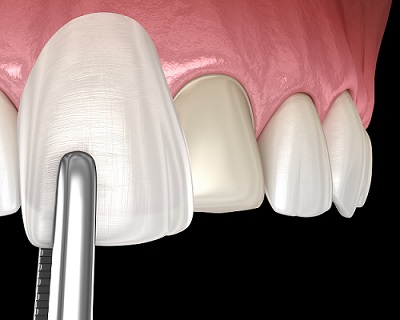
Veneers are thin shells, usually made of porcelain or composite material, bonded to the front surface of teeth. Cosmetic dentists use them to improve color, shape, spacing, and smile symmetry.
The veneer process usually includes consultation, preparation if needed, impression-taking, and final bonding. Not every patient requires the same level of preparation.
A cosmetic dentist in Millburn, NJ working with local patients will determine the best approach for their patients. The patient’s tooth structure and cosmetic goals fuel that decision. Many patients first review what you need to know before getting dental veneers to better understand the planning process.
Does Veneer Preparation Hurt? What Patients Typically Feel
No-Prep and Minimally Invasive Veneers: Why Many Patients Feel Little to No Discomfort
Many modern veneers need little to no drilling. In these cases, patients often feel no pain at all during preparation.
According to a prospective nine-year clinical study published in Clinical Oral Investigations, no-prep and minimally invasive veneers were frequently placed without anesthesia and reported as painless by patients.
There’s very little sensitivity in these preparations because the enamel is left relatively intact.
Traditional Veneer Preparation: When Numbing Is Used and What That Feels Like
Sometimes enamel does need to be reshaped to make space for the veneer. If that’s thecase, dentists use local anesthesia to keep patients comfortable.
The amount of enamel removed is far smaller than what a crown would need. According to a specialist consensus published in the International Journal of Oral Science, keeping preparation within enamel significantly reduces discomfort and protects tooth vitality.
Patients usually feel pressure, not pain, during this stage.
Pain During Veneer Bonding: What Veneers Feel Like During the Appointment
The bonding appointment is usually short and comfortable. Most patients describe the sensation as light pressure rather than pain.
Modern dental adhesives seal the tooth surface, which helps prevent sensitivity. Many patients end up not even needing temporary veneers, reducing irritation even further.
According to long-term clinical outcome studies on feldspathic ceramic veneers, the bonding phase does not contribute meaningfully to postoperative discomfort.
How Teeth Usually Feel After Placing Veneers
Normal Sensations After Veneers: What’s Temporary and Expected
After bonding veneers, some mild sensations are normal as the mouth adjusts.
These may include:
- Sensitivity to cold or hot temperatures
- Mild pressure when biting
- Awareness that the teeth feel “different”
These sensations are usually temporary.
How Long Tooth Sensitivity Lasts After Veneers: Understanding the Veneer Recovery Timeline
It’s common for patients to wonder how long veneer sensitivity lasts, and what the recovery timeline looks like.
Most post-veneer sensitivity resolves within one to four weeks. As the teeth adapt and the bite settles, discomfort typically fades.
According to a seven-year retrospective study published in Materials (Basel), postoperative sensitivity scores for minimally invasive veneers were rated as excellent, with no long-term issues in tooth vitality.
Any persistent pain isn’t normal, and thus needs evaluation.
Why Veneers Are Much More Comfortable Today Than in the Past
How Minimal Enamel Removal Reduces Pain and Sensitivity
Minimally invasive dentistry messes with the enamel as little as possible. Enamel has no nerve endings, which makes procedures far more comfortable.
According to a systematic review published in Cureus, veneers that avoid dentin exposure significantly reduce postoperative sensitivity.
This is one of the biggest reasons veneers are no longer considered a painful procedure.
How Precision Dentistry Helps Prevent Veneer Discomfort
Many cosmetic dentists now use magnification to guide preparation. This allows for extremely precise enamel contouring.
A specialist consensus published in the International Journal of Oral Science explains that microscopic preparation reduces accidental dentin exposure, which is a primary cause of sensitivity.
Precision is what translates modern veneer procedures to comfort.
How Dentists Prevent Sensitivity During and After Veneer Treatment
Modern dental protocols immediately seal the tooth surface whenever there’s exposed dentin. Doing this blocks pain pathways before sensitivity can set in.
According to peer-reviewed findings, desensitizing agents such as potassium nitrate are effective at managing temporary hypersensitivity.
These measures are part of contemporary cosmetic dentistry standards.
Normal vs Abnormal Pain After Veneers: Knowing the Difference
What Normal, Temporary Veneer Discomfort Feels Like
Normal post-veneer sensations include:
- Mild sensitivity to temperature
- Slight bite awareness
- Temporary pressure when chewing
These typically improve steadily.
When Veneer Pain Is Not Normal and Should Be Checked
You should contact your dentist if you experience:
- Sharp or worsening pain
- Sensitivity lasting longer than one month
- Swelling or gum inflammation
- Bite discomfort that does not improve
According to long-term clinical studies, early evaluation prevents complications and protects tooth vitality.
Who May Experience More Sensitivity After Veneers
Not all patients experience veneers the same way. Certain factors can increase sensitivity risk.
These include:
- Thin enamel
- Pre-existing tooth sensitivity
- Cracks, erosion, or fluorosis
- Bruxism or heavy grinding
A cosmetic dentist in Millburn, NJ will assess these factors during treatment planning. Patients weighing multiple cosmetic options sometimes compare veneers with procedures like implants, which follow a very different treatment timeline, such as how long dental implants typically take.
Can Veneers Reduce Tooth Sensitivity Instead of Causing It?
In some cases, yes. Veneers can cover exposed or worn tooth surfaces that already cause sensitivity.
An intervention study published in BMC Oral Health found that patients receiving aesthetic restorations reported a significant reduction in physical pain after treatment.
For patients with enamel defects, veneers may actually reduce sensitivity instead of making it worse.
How to Manage Mild Discomfort After Veneers
Most patients don’t need pain medication after veneers. Over-the-counter pain meds are usually enough for anyone who does.
Other helpful steps include:
- Avoiding extremely hot or cold foods initially
- Using toothpaste designed for sensitive teeth
- Allowing time for bite adjustment
Discomfort that steadily improves is a good sign of normal healing.
Are Veneers More or Less Painful Than Other Cosmetic Dental Treatments?
Compared to crowns, veneers are significantly less invasive. Crowns need more extensive tooth reduction, which increases the likelihood of sensitivity.
Compared to orthodontics, veneers involve a much shorter adjustment period. Discomfort from braces or aligners often lasts far longer.
This is one reason veneers remain a popular cosmetic dentistry option in Millburn, NJ, especially for patients considering a full smile makeover and learning what a smile makeover usually consists of.
What to Expect Before Getting Veneers: Setting Comfort Expectations
The most important factor in comfort is proper planning. Veneers are not one-size-fits-all.
According to many long-term studies, customizing treatment to the patient’s enamel thickness, bite, and cosmetic goals leads to the best outcomes.
Clear communication between patient and cosmetic dentist helps guarantee a smooth experience.
Key Takeaways: Are Veneers Painful and What Should You Expect?
- Are veneers painful? Most patients do not find veneers painful, especially with modern minimally invasive techniques.
- Is there pain during veneer bonding? Veneer bonding usually causes little to no pain, with most patients feeling only mild pressure.
- How long does veneer sensitivity last? Tooth sensitivity after veneers is usually mild and resolves within one to four weeks as part of the normal veneer recovery timeline.
- Do no-prep veneers hurt? No-prep and minimally invasive veneers often involve little to no discomfort and may not need anesthesia.
- When should veneer pain be checked? Pain that worsens, lasts longer than a month, or affects your bite should be evaluated by a cosmetic dentist.
Are Veneers Painful for Most Patients?
Concerns about pain often prevent patients from exploring cosmetic dentistry options. But they don’t have to! In reality, veneers today are far more comfortable than many people expect.
Advancements in minimally invasive techniques have transformed the veneer experience. For patients seeking cosmetic dentistry in Millburn, NJ, veneers are generally a well-tolerated and predictable procedure.
Resources
Meer Rownaq Ali A (September 04, 2023) Conventional Versus Minimally Invasive Veneers: A Systematic Review. Cureus 15(9): e44638. doi:10.7759/cureus.44638 https://www.cureus.com/articles/182633-conventional-versus-minimally-invasive-veneers-a-systematic-review#!/
Mihali SG, Lolos D, Popa G, Tudor A, Bratu DC. Retrospective Long-Term Clinical Outcome of Feldspathic Ceramic Veneers. Materials. 2022; 15(6):2150. https://doi.org/10.3390/ma15062150
Santa-Rosa, T.T.D.A., Ferreira, R.C., Drummond, A.M.A. et al. Impact of aesthetic restorative treatment on anterior teeth with fluorosis among residents of an endemic area in Brazil: intervention study. BMC Oral Health 14, 52 (2014). https://doi.org/10.1186/1472-6831-14-52
Smielak, B., Armata, O. & Bojar, W. A prospective comparative analysis of the survival rates of conventional vs no-prep/minimally invasive veneers over a mean period of 9 years. Clin Oral Invest 26, 3049–3059 (2022). https://doi.org/10.1007/s00784-021-04289-6
Yu, H., Zhao, Y., Li, J. et al. Minimal invasive microscopic tooth preparation in esthetic restoration: a specialist consensus. Int J Oral Sci 11, 31 (2019). https://doi.org/10.1038/s41368-019-0057-y