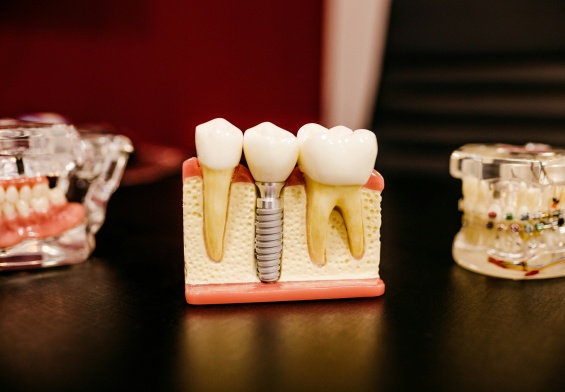


Finding out there is an extra tooth can be confusing, especially when nothing looks unusual in the mirror. Someone may be even more surprised when a dentist finds the tooth on an X-ray. The tooth may never have broken through the gum. Hyperdontia is the dental term for having one or more teeth beyond the usual number. An extra tooth may be visible or remain buried in the jaw.
Quick Answer: What Hyperdontia Means
Hyperdontia means a child or adult has extra teeth beyond the usual set. Some extra teeth never cause discomfort. Others contribute to crowding, pain, chewing trouble, or areas that are harder to brush and floss. Cleveland Clinic also notes that an extra tooth may erupt normally or remain impacted inside the jaw.
Children usually have 20 primary teeth, while adults usually have 32 permanent teeth. A child with more than 20 or an adult with more than 32 fits the diagnosis. The extra tooth may still be hidden in the jaw.
A dentist can sometimes see an extra tooth during general dentistry care. Imaging may be needed when the tooth is still below the gum. The treatment decision depends on where the tooth sits and whether nearby teeth or daily oral care are being affected.
Why Extra Teeth Develop
Dentists do not always know why extra teeth develop. Cleveland Clinic lists genetics and increased activity in the dental lamina among the possible factors. The dental lamina is tissue involved in early tooth development. Extra teeth are also seen more often with some developmental and inherited conditions.
Extra teeth can affect baby teeth or permanent teeth, so the finding may appear at different ages. A dentist following a child’s eruption pattern through family dental care may notice an extra tooth. The same record can also show when another tooth has not come in as planned. The dental history then gives the dentist a record to compare with later exams.
Where Extra Teeth Usually Appear
Extra teeth can grow in several places. Lurie Children’s describes a mesiodens as an extra tooth near the middle of the upper front teeth. Paramolars appear beside the molars, while distomolars grow behind the last molars.
The extra tooth may look like a normal tooth, or it may be smaller with a different form. A supplemental tooth resembles a typical tooth. Conical teeth have a cone-like form, while tuberculate teeth look more like a barrel. Cleveland Clinic also reports that extra teeth appear more often in the upper jaw.
What Problems Extra Teeth Can Cause
An extra tooth can take up space that nearby teeth need. Cleveland Clinic lists crowding, crooked teeth, bite problems, cavities, gum disease, and oral cysts among the possible complications of extra teeth. A tooth that is difficult to reach with a toothbrush or floss can also become a place where plaque collects.
Symptoms are not required for a problem to exist. A buried extra tooth may be painless while sitting close to another tooth. An erupted extra tooth can also make cleaning harder without causing pain. That is why dentists look at tooth position as well as discomfort.
How Dentists Diagnose Hyperdontia
An erupted extra tooth may be visible during dental exams and cleanings. A dentist can check where the tooth sits and whether the gums around it are healthy. The exam also shows whether the bite has enough room.
If the tooth has not erupted, dental X-rays can reveal a tooth that cannot be seen during a visual exam. A visible extra tooth is not always the only extra tooth present, so imaging can confirm the number and location. Cleveland Clinic also notes that CT imaging may be used in some cases. A CT scan can give the dentist a clearer view of an impacted supernumerary tooth and nearby structures.
When an Extra Tooth Stays Below the Gum
An impacted extra tooth remains partly or fully trapped in the jaw. The tooth may be discovered before it causes any pain, especially when imaging is taken for another dental reason. Some impacted extra teeth can be monitored when they are not creating oral health or chewing problems.
Monitoring gives the dentist a chance to compare future exams and images. Changes in crowding, pain, swelling, cleaning difficulty, or the position of nearby teeth can alter the treatment plan. Someone who has an impacted extra tooth should keep the location documented so future dentists know where to look.
When Dentists Recommend Removing Extra Teeth
Not every extra tooth needs extraction. Cleveland Clinic says removal may be recommended when an extra tooth interferes with chewing or causes pain. Cleaning difficulty and other oral health concerns can also affect the decision. The location of the tooth and the age of the person also affect planning.
When an extra tooth appears alongside a known developmental condition, dentists may review oral health and overall health before planning care. Lurie Children’s notes associations between extra teeth and conditions such as cleft lip and palate and cleidocranial dysplasia. A dental finding in someone who already has one of those conditions may become part of a larger care plan.
What Happens After Treatment
Removing an extra tooth does not always finish the dental work. Lurie Children’s says treatment can involve surgery and orthodontic care, especially when spacing or alignment has already been affected. The next step depends on what the surrounding teeth do after the extra tooth is gone.
Some patients only need follow-up exams after healing. Others may need orthodontic treatment to guide crowded or displaced teeth into better positions. The dentist or orthodontist can decide when follow-up imaging is needed and how long the area should be watched.
Questions About Hyperdontia
Can hyperdontia run in families?
Genetics can play a role, but not every person with an extra tooth has a family history. If close relatives have had extra teeth, share that family history with the dentist. Family history can add context to the exam.
Does hyperdontia always mean there is another health condition?
No. Extra teeth can appear without a known syndrome or developmental disorder. If other medical findings are already part of the health history, tell the dentist so the dental finding can be reviewed in that context.
Do all extra teeth need to be removed?
No. Some extra teeth can stay in place when they cause no pain or chewing trouble. Cleaning difficulty or other oral health problems may change that plan. At the visit, ask what problem an extraction is meant to prevent and what the dentist would monitor if the tooth stays.
What to Do After an Extra Tooth Is Found
After a dentist finds an extra tooth, the next appointment is easier when the location is written down. Keep the imaging findings with the dental record too. Ask whether the tooth has erupted and whether nearby teeth have enough room. Then ask whether the dentist recommends monitoring, extraction, or an orthodontic evaluation.
Keep a copy of the imaging report if care may move between dental offices. Recording the X-ray date can help too. That record gives the next dentist something concrete to compare with a future exam.
Sources
Lurie Children’s, Extra Teeth (Supernumerary Teeth, Hyperdontia)