

A sore inside the mouth can make meals, brushing, and even talking painful. After several painful days, someone may wonder whether the ulcer is healing normally. Things that cause canker sores can include mouth injuries, stress, and some health problems. The type and size of the ulcer also affect how long the tissue needs to heal.
Canker Sore Causes and Healing Time
Minor canker sores often heal within 1 to 2 weeks, with larger, deeper ulcers sometimes needing several weeks. Cheek bites and brushing injuries are common canker sore causes, and stress may play a role. Low iron, folate, or vitamin B12 can also accompany recurring sores. A dentist or doctor should check a sore that lasts at least two weeks or keeps returning. Someone should seek care sooner when pain makes eating or drinking hard.
How Long a Canker Sore Usually Lasts
A small canker sore can hurt sharply during the first few days as the tissue starts to heal. Mayo Clinic says minor sores heal within 1 to 2 weeks. Major canker sores can take up to six weeks, and they may leave a scar. Pain can ease before the ulcer fully closes. A burning or tingling feeling may appear a day or two before a canker sore forms.
Herpetiform canker sores start as clusters of tiny ulcers. Nearby spots may join into a larger sore. Mayo Clinic says these clusters may contain 10 to 100 tiny sores and heal within 1 to 2 weeks. Herpetiform sores usually develop later in life and do not leave a scar.
A sore inside the lower lip may reopen each time it catches against a bracket or rough filling. A dentist can check rough fillings, sharp tooth edges, and rubbing appliances near the sore during a general dental exam. Repeated scraping can make an ulcer seem as if it returned when the tissue never finished closing. Wax made for braces can cover a rough edge until a dentist checks the appliance.
Canker Sore Causes to Check When Ulcers Return
Sometimes there is no single reason a canker sore appeared. Mouth injury and stress are two possibilities. The National Institute of Dental and Craniofacial Research (NIDCR) links outbreaks with low folate, iron, and vitamin B12. Hormonal changes are another possible factor.
Toothpaste can offer another clue when outbreaks keep returning. Mayo Clinic lists sodium lauryl sulfate and some medicines among possible factors. Some toothpastes and mouth rinses contain this ingredient. Someone whose sores began after a product change can bring the toothpaste or rinse package to a dental visit.
Where a sore appears can help a dentist tell canker sores from cold sores. HSV-1 causes cold sores, which usually form outside the mouth around the lips. Canker sores form on soft tissue inside the mouth and do not spread from person to person. Common sites include the inner lips, cheeks, tongue, gums, and soft palate.
When ulcers keep returning, a short timeline can help a dentist sort through canker sore causes. A dentist may review oral health and overall health together when sores return with stomach symptoms. A record can include new medicines and recent dental work. Sores that keep returning in one location give the dentist a reason to check nearby fillings or appliances.
Why Some Sores Take Longer to Heal
Daily rubbing from a tooth or appliance can keep the same ulcer sore. A broken filling can scrape the cheek, and a denture edge can rub the gum. Acidic foods and rough snacks can sting or scrape an open ulcer.
A soft toothbrush can clean nearby teeth with less rubbing against the open sore. Someone with an ulcer in the same spot can note the location. The person can check whether a tooth or appliance touches the sore while chewing. A dentist can then inspect the contact point during an exam.
What Helps When Eating and Brushing Hurt
When eating or brushing stings, pain relief can make meals and cleaning easier. Cool drinks and softer foods may reduce discomfort. Spicy, acidic, or very hot foods can sting an open sore. Over-the-counter numbing gels may provide short-term relief when someone follows the product directions.
Mouthwash that contains alcohol can irritate an open sore. NIDCR says an antiseptic rinse sold without a prescription may help prevent infection and speed healing. Someone can choose an alcohol-free rinse while the sore is open.
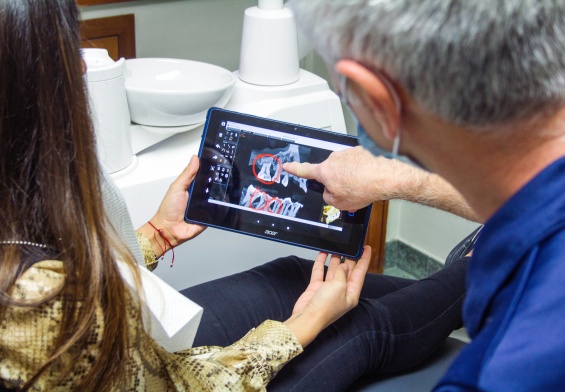
A dentist can inspect the cheeks, tongue, gums, and areas beside dental work during routine dental exams. A mirror may not show whether a filling edge touches the sore during chewing. During the visit, the dentist may check the area while the jaw opens and closes.
When a Sore Needs a Dental Exam
After two weeks, an open sore needs a dental or medical exam. A dentist checking a mouth sore that does not heal can look for friction, infection, or another oral problem. Someone who cannot control pain at home should seek care sooner.
A typical canker sore is round or oval, with a pale center and red rim. NIDCR says a dentist or doctor can usually diagnose a canker sore by looking at the area. Doctors rarely need tests for a typical sore. For a sore that does not heal or keeps returning, a doctor may send a small sample to a lab.
A dental or medical visit should happen sooner when eating or drinking becomes hard or any of these signs appear:
- Severe pain that makes drinking difficult
- A very large or unusually deep ulcer
- New sores appearing before older sores heal
- Fever or other symptoms with the mouth sores
- A sore that spreads onto the lips
- Ulcers that keep returning in the same area
A sore that does not heal can have several causes. After an exam, a dentist or doctor can decide whether the sore needs treatment or more testing.
Questions About Canker Sore Causes and Healing
Can a vitamin deficiency cause recurring canker sores?
Low levels of iron, folate, or vitamin B12 can occur with recurring sores. A dentist or doctor may suggest testing for a nutrient shortage when sores keep returning. Someone who already has recent lab results can bring them to a dental or medical visit.
Can stress contribute to canker sores?
Stress can contribute to some outbreaks. Mayo Clinic suggests meditation or guided imagery when sores seem linked to stress. Someone can note whether they tried meditation or guided imagery and whether another sore appeared afterward.
Should someone take a photo of a canker sore before an appointment?
A dated phone photo can show a dentist how the sore looked earlier if the area changes before the appointment. Bright light and a wider view that includes nearby teeth or lips can make the location easier to see.
A Two-Week Checkpoint for Healing
At the two-week mark, a short record can give a dentist or doctor a clearer history. The record can include the start date, location, recent mouth injury, and whether sores returned in the same spot. A note about pain with eating or drinking can show how much the sore is affecting daily life. If the same spot keeps reopening, a dentist can check nearby tooth edges, fillings, or appliances.
Sources
Mayo Clinic, Canker Sore: Symptoms and Causes
National Institute of Dental and Craniofacial Research, Fever Blisters and Canker Sores